
Why does my newly copied house key stick in the lock?
The usual reason is that the new key was cut from a worn copy rather than from the original. Each generation of copy carries small errors from the one before, so the cuts end up slightly off and the key drags or will not turn smoothly.
Phones answered around the clock · free estimate
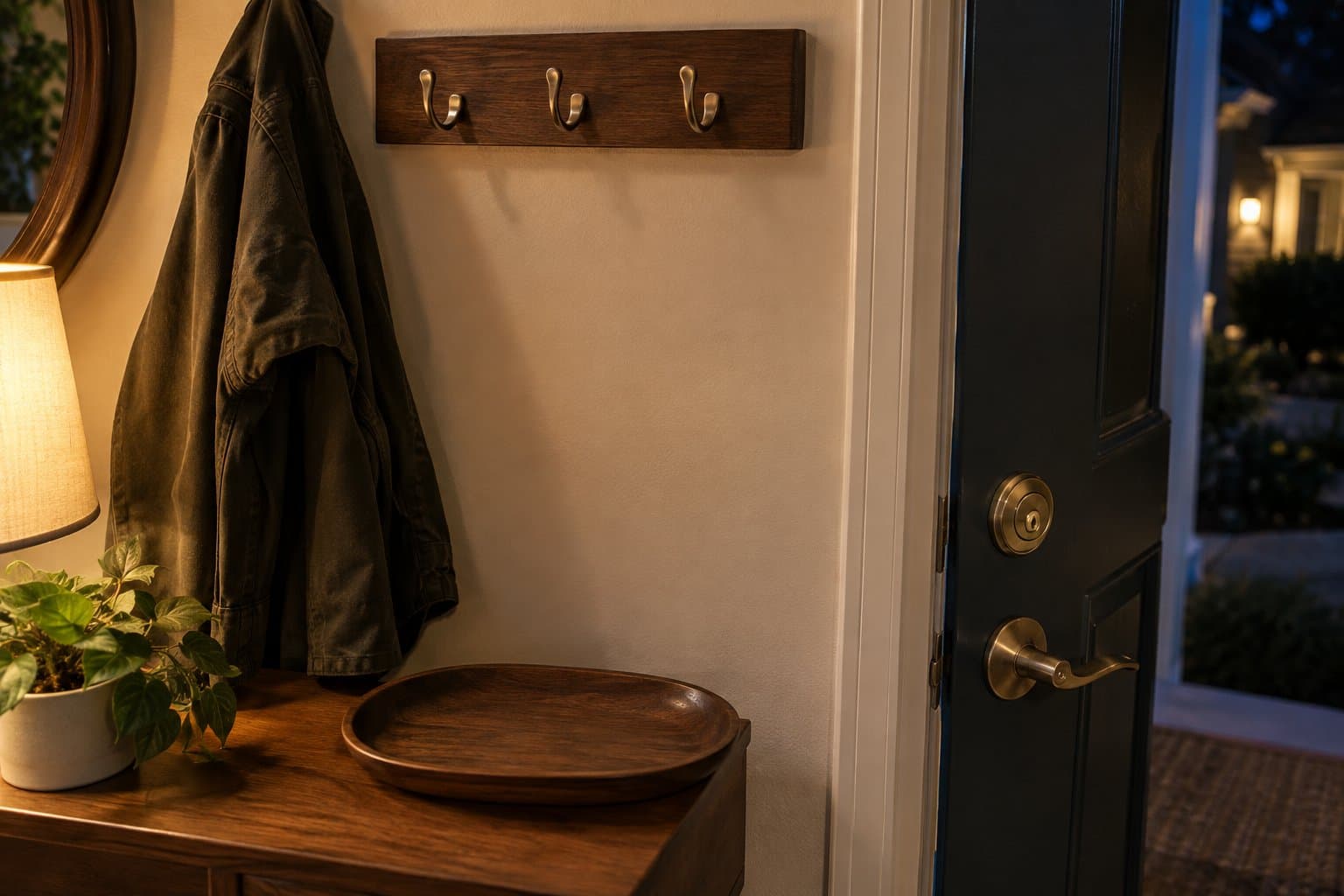
The lock itself can also be the cause. A cylinder that is dirty, dry or worn will make even a well-cut key feel stiff, so it is worth finding out which one you are dealing with.
Why a new copy sticks
A key works by lifting each pin inside the lock to exactly the right height. The depth of every cut matters, and the differences are tiny. If a copy is cut from a key that has already worn down, the new key inherits that wear and adds its own small errors. The result is a key that goes in roughly, but catches or refuses to turn.
Other things can contribute. A blank that does not match the original key, or rough edges left on a fresh cut, can make the key feel tight. A copy that has not been tested in its own lock before you leave the counter may also turn out to be a poor fit.
The lock matters too. A stiff lock wears keys down faster, and humidity or salt air can corrode brass keys and cylinders over time. That is why the original is worth keeping safe in a drawer and used only to cut future copies, not carried every day.
What you can check yourself
- Try the original in the same lockIf the original turns smoothly and the copy does not, the copy is the problem. If both feel stiff, the lock needs attention.
- Compare the two keys side by sideHold them together in good light and look at the cuts. If the pattern looks different or the copy seems thicker or rougher, take it back to be recut.
- Check which key the copy came fromIf it was cut from another copy, ask for a fresh one cut from the original. Cutting from the original is the most reliable fix.
- Look for dirt or drynessWipe the key clean and check the keyway for visible lint or debris. A lock lubricant made for cylinders can help a dry lock. Do not force the key, as that can damage both the key and the lock.
- Test every door that uses the keyTry the copy in each lock it should fit. If it sticks in only one, that lock is the likelier cause.
When to call a locksmith
Call if a freshly cut key still sticks after you have tried the original, or if the original sticks too. Also call if a key will not turn at all and you cannot get in. A forced key can snap in the lock, which is a bigger job than a recut. If you are locked out, the locksmith will ask for identification and proof that you are entitled to enter the home before opening anything. A driver's licence with the address, a lease or a utility bill all work.
One Call Locksmiths arranges the visit with an independent locksmith. The estimate is free. The locksmith looks at the lock, gives you the price, and work starts only once you agree it. Call (866) 690-5848. Locksmith licensing varies by state, so check with your state or city if you want to know what applies where you live.
What the locksmith will do
- Cut a fresh copy from the originalA worn key is copied from your original, not from another copy, so the cuts match the lock as it was made.
- Test each copy in its own lockEvery key is tried in the lock it is meant for before the locksmith leaves, so you know it turns smoothly.
- Look at the lockIf the lock is the reason keys stick, the locksmith will tell you what is wrong and what the fix involves, with the price agreed first.
- Handle restricted keys properlyRestricted and high-security keys are cut only with the owner's key card or authorisation. That is a protection for you rather than an obstacle.
- Point car keys to the right serviceA car key with a chip or fob is handled as car key replacement, not as an ordinary copy.
Related questions
- Should I take the sticking key back to be recut?
- Yes, and bring the original so the new copy can be cut from it. Ask that the key be tested in your lock before you leave.
- Can I file or smooth the key myself?
- It is best not to. Even a small change to the cuts can stop the key working at all. A fresh copy cut from the original is the safer fix.
- Why do my keys wear out so quickly?
- A stiff or dirty lock wears a key faster, and humidity or salt air can corrode brass over time. If keys keep wearing, the lock may need servicing.
- Can any key be copied?
- Ordinary house, mailbox, padlock, gate, cabinet and office keys can be copied from a working original. Restricted and high-security keys need the owner's key card or authorisation.
- What does it cost to have a key recut?
- It depends on the key type, how many copies you need, and whether the lock needs work. The estimate is free, and the locksmith gives you the price before starting.
One call
Free estimate. The price is agreed before the work starts.
More from One Call Locksmiths
Local pages
Answers
Free tool
Or send us a message
Leave your details and what is going on, and someone from the team will call you back.
One Call Locksmiths arranges the visit; the locksmith does the work and gives you the price.